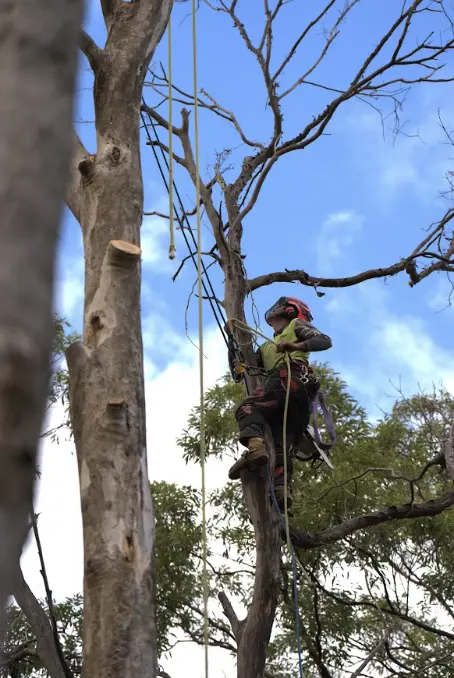
If your tree is looking unhealthy, it's natural to wonder what's gone wrong. The truth is, trees can decline for many different reasons, and the cause isn't always obvious.
Common signs that a tree may be dying include:
Dead or brittle branches.
Sparse or discoloured leaves.
Peeling or cracking bark.
Fungal growth around the trunk or roots.
Large dead sections in the canopy.
Leaning or signs of instability.
A lack of new growth during the growing season.
There are many factors that can contribute to a tree's decline, including prolonged drought, excessive rainfall, soil compaction, root damage from construction, pest infestations, disease, nutrient deficiencies, storm damage, or simply old age. In some cases, trees may also be affected by changes in their environment, such as altered drainage or nearby excavation.
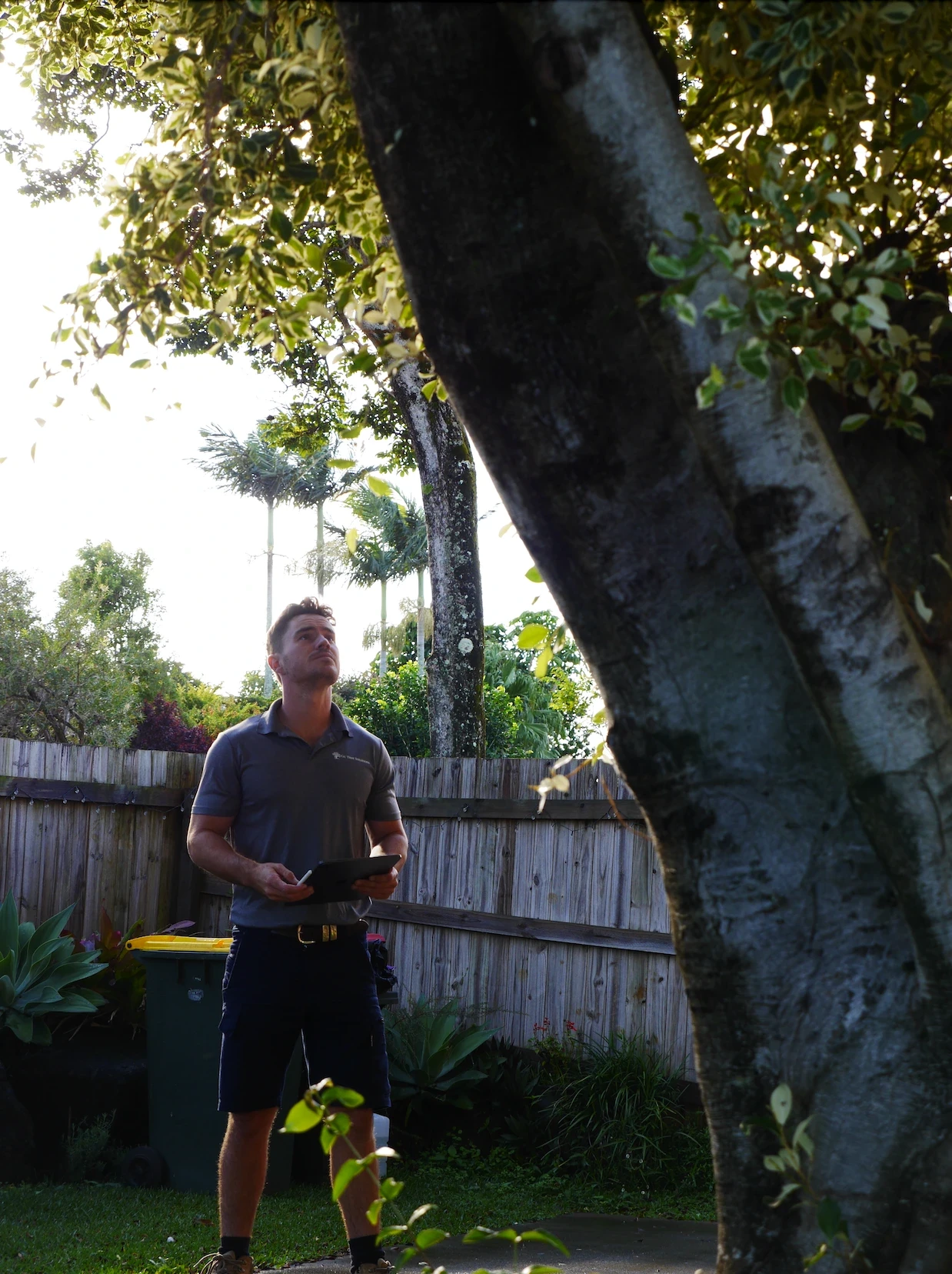
The good news is that not every unhealthy-looking tree needs to be removed. Many trees can be treated or managed if the underlying issue is identified early enough. That's why it's important to have the tree assessed by a qualified arborist rather than relying on guesswork.